
What are Sober Living Homes | Everything You Should Know

Is Sober Living House Like a Rehab? | Purpose of These Houses
It is not a medical setting or a locked facility, such as inpatient rehab, but a structured, drug-free residential setting that supports people in recovery from addiction by offering accountability, peer support, and a stable, alcohol/drug-free living space as a bridge between treatment and independent living.
A lot of these facilities, like Straight Up Sober Living, have explicit policies and procedures. These could include abstaining from drugs and alcohol, going to therapy sessions or recovery meetings, finishing tasks or shared responsibilities, adhering to a curfew, and showing consideration for fellow residents. This structure helps residents practice the skills they’ll need to maintain sobriety on their own while preventing relapse.
How Do Sober Living Homes Work?
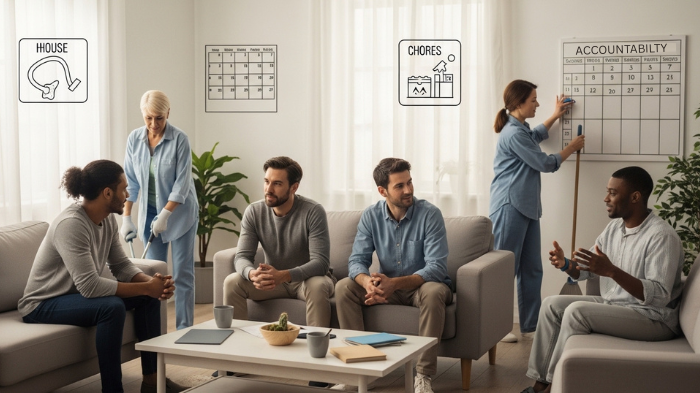
First of all, a sober living home is not a requirement for its residents. People in recovery should feel as though they are gradually reintegrating into daily life and are able to resume their regular activities and obligations. These homes nonetheless have regulations that residents must follow, even if they are less restrictive than inpatient facilities.
Rules of Sober Living Homes
Residents must consent to the policies, procedures, and norms that promote recovery in order to be accepted into a sober living facility. However, the guidelines and limitations vary depending on the level of the sober living facility.
Certain houses demand that you sign in/sign out when you leave. Residents are free to leave, but they have to return by curfew. Certain sober living programs may also include volunteering or employment. Few of the most common rules can be found below:
- Shared duties, such as house meetings and chores
- Alcohol and drug tests to promote responsibility
- Curfews and visitation regulations to ensure security
- Routines that keep you connected, supported and focused
Residents can avoid the loneliness of going back home while recovering thanks to this integrated support system. Additionally, it offers a setting that helps those coming out of treatment recover from substance misuse.
Benefits of Sober Living Houses
The advantages of sober living align with SAMHSA‘s (Substance Abuse and Mental Health Services Administration) recommended practices. Residents of a sober living facility benefit from the following:
- Practice of a sober living lifestyle
- A stable and secure place to live
- Capabilities to sustain healing
- Work and financial accountability
- Good interpersonal and peer relationships
- Community-based resource network
- Evidence-based medicine and treatment strategies
Types of Sober Living Homes
While some homes have professional staff, others are governed by peers. Peer-supported homes and clinically integrated settings are among the four levels of sober living residence described by the National Association of Recovery Residences (NARR).
Level One: Peer-Run Sober Homes (Type P)
In a level-one sober living facility, individuals in recovery get accountability and peer support. There are no employees who get compensated. In order to maintain their sobriety, residents may decide to participate in therapy, community support groups, and other activities. On-site support groups are a common feature of level-one sober homes.
Level Two: Monitored Sober Homes (Type M)
At this stage, a house manager will usually be a peer in long-term recovery and may live in the house. The manager welcomes new tenants and goes over expectations and regulations.
Compared to level one, level two sober houses offer more structure. Participation in community meetings, house meetings, buddy systems, mutual support groups, and outside clinical appointments is frequently required of residents at this level.
Level Three: Supervised Sober Homes (Type S)
More leadership and governance, a daily routine tailored to recovery needs, and peer support are all features of level three sober houses.
Attending professional and peer support programs, house meetings, community gatherings, and life skills training are all expected. At level three are administrative staff, a paid home manager, and certified peer recovery support personnel. Peer workers, peer supervision, and peer coaching are all accessible.
Level Four: Service Provider/Clinical (Type C)
The most structure and oversight is seen at level four. Clinical services are provided on-site by qualified staff. Meetings, support groups, and life skills training are additional on-site programs. Usually, level four sober homes are a division of a bigger organization with a hierarchical structure. At this level, resident stays are shorter, but the structure is the most rigorous.
Cost of Sober Living Houses

Since the majority of sober living facilities are privately operated and not supported by the government, they are required to charge a fee to cover the costs of staff, taxes, and facility maintenance. They do, however, want to make these costs, which are paid in the form of rent, reasonable. They accomplish this, for example, by designing their rooms to be semi-private, which means that two or more individuals will frequently share a room.
Rent, however, varies widely; some rooms are available for as little as $500 per month or as much as $900. The living condition (private vs. shared room), staff pay rates, and most importantly, the location of the home will all affect costs. Some residents receive financial assistance for their sober lifestyle from friends or family. Others need to work close to their sober residence.
One of the best resources for healing is employment. It can help inhabitants develop their sense of self-worth, learn about money, and become responsible community members. For deeper insights, check out our detailed blog on how much sober living homes cost.
Timeline of the Stay
Depending on the needs, development, and stability of the individual, the timescale of stay might vary greatly. Some would find their residence useful for as little as three months, but others might need six months or longer to accomplish their objectives.
The following is an example of a typical timeline:
Months 1-2: The residents develop supportive, healthy behaviors that aid in their recovery as they become used to the regimented way of life.
Months 3–4: Residents begin to gain independence at this time. With what they have learned, they might also want to continue working or pursue further study.
Month 5 and beyond: At this stage, the goal is total independence. This entails establishing a solid aftercare plan, finding stable housing, and having the tools and support networks necessary to maintain sobriety over time.
At Straight Up Sober Living, we encourage participants to stay until they have enough stability to confidently navigate life outside of the program. Such stability should promote long-term recovery and reduce the likelihood of relapse.
Difference Between Sober Living and Halfway Houses
It’s important to remember that halfway houses and sober living homes are not the same. There are some significant distinctions between them, even though they are both homes intended to help people stay sober and reintegrate into society.
- Halfway houses are usually court-mandated programs designed to help people transition back into the community after a term of jail or treatment, whereas sober living houses are voluntary residences designed exclusively for individuals committed to sobriety.
- Sober living houses are designed to keep residents sober by providing a supportive environment with fixed regulations, such as home chores and bedtimes. On the other hand, halfway houses are strictly regulated and managed, and they prioritize compliance and monitoring over long-term rehabilitation.
- Sober living homes allow people who have already completed rehab to stay as long as needed in a supportive environment without a regimented treatment program, while halfway houses usually have time limits and a structured treatment program.
Who Should Consider a Sober Living Home?
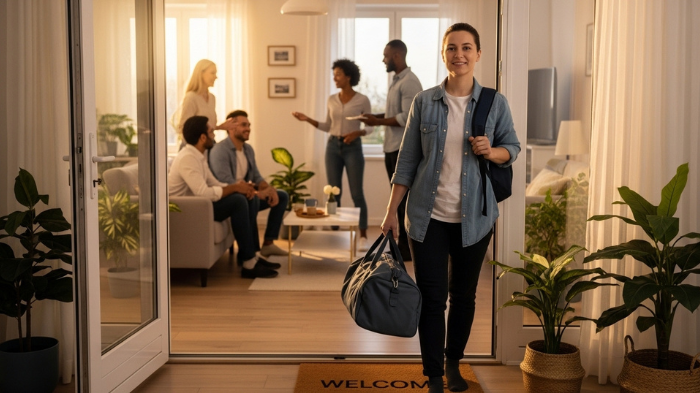
If you have just finished an outpatient program or are leaving a rehab center and want to maintain your progress, consider sober living. Let’s say you recently experienced a relapse, find situations with alcohol and drugs stressful, or you may have housing insecurity due to addiction issues. If so, you might be a suitable candidate for a sober living facility.
Sober living homes could be a good fit if you:
- want to safeguard your progress after finishing a treatment program.
- are attending outpatient care and need a stable place to live.
- want to establish routines that help you achieve your healing objectives.
- trying to find a community that shares your goals.
- wish to live with greater purpose and less loneliness.
- feel unstable or unsupportive, particularly in your existing home setting.
Choosing the Right Sober Living Home
After completing addiction treatment, many people are curious about what follows next in terms of sobriety. Moving into a sober living facility, which offers a monitored, encouraging setting for continued rehabilitation, is an important first step.
Think about reaching out to any sober friends you may have or asking people at a recovery meeting. For recommendations to nearby sober living facilities, get in touch with the staff if you recently finished a treatment program. For example, a great way to find sober living homes in San Diego is to first explore your own network. Finding a sober living facility that a friend has suggested could be beneficial.
Final Thoughts
FAQs
1. Are sober living homes successful?
One of the most important measures of how successfully a sober living facility promotes long-term recovery is resident satisfaction and quality of life. According to research, people who stay in these settings for six months or more have a 70–80% success rate in staying sober.
2. Why would someone live in a sober house?
People live in sober houses to stay drug- and alcohol-free, maintain progress after rehab or outpatient programs, recover from relapse, and have a supportive, stable environment if they face stress around substances or housing challenges.
3. What is the point of living sober?
Maintaining sobriety keeps your brain active and engaged, which improves mood management and emotional resilience, lessens the symptoms of anxiety and sadness, and increases your general happiness and mental health.
4. What is another name for sober living?
The goal is to provide secure, supportive housing for people in recovery, regardless of the title used—Sober House, Recovery Home, Sober Living, or Recovery Residence.
© Straight Up Sober Living 2026. All Rights Reserved.